Nearly 150 people are still missing after the collapse of the tower block near Miami last week.
from BBC News - World https://bbc.in/361zvT9

Wednesday, June 30, 2021
Bill Cosby: The rise, fall and release of 'America's Dad'
Once a national treasure, the comedian was jailed for sexual assault but that conviction has now been overturned.
from BBC News - World https://bbc.in/361b2h3
from BBC News - World https://bbc.in/361b2h3
Bill Cosby Freed as Court Overturns His Sex Assault Conviction

By Graham Bowley from NYT Arts https://nyti.ms/3hgD4KA
Trudeau pays respects to Canada heatwave victims
Dozens have died as Canada sees a new record - 49.6C (121.3F) - for the third day in a row.
from BBC News - World https://bbc.in/3hhLxgy
from BBC News - World https://bbc.in/3hhLxgy
Ex-US defence secretary Donald Rumsfeld dead at 88
Former US defence secretary Donald Rumsfeld, one of the main architects of the Iraq war, dies at 88
from BBC News - World https://bbc.in/3AeRRhx
from BBC News - World https://bbc.in/3AeRRhx
Obituary: Donald Rumsfeld
Ruthless, resilient and divisive - he served as Secretary of Defense twice in a career spanning decades.
from BBC News - World https://bbc.in/3hjwKSB
from BBC News - World https://bbc.in/3hjwKSB
Bangladesh elephants rescued after fleeing into Bay of Bengal
The pair were separated from their herd in Myanmar and rescued by local authorities and fishermen.
from BBC News - World https://bbc.in/3jve6Kg
from BBC News - World https://bbc.in/3jve6Kg
New world news from Time: Thailand Is Reopening Its Hottest Beach Destination. But One Bangkok Newspaper Is Calling It a “Prison Vacation”
(PHUKET, Thailand) — Somsak Betlao covered the outboard motor on his traditional wooden longtail boat with a tarp, wrapping up another day on Phuket’s Patong beach where not a single tourist needed his services shuttling them to nearby islands.
Since Thailand’s pandemic restrictions on travel were imposed in early 2020, tourism has fallen off a cliff, and nowhere has it been felt more than the resort island off the country’s southern coast, where nearly 95% of the economy is related to the industry.
So, despite spiking coronavirus numbers elsewhere in the country, the government is forging ahead with a program known as the “Phuket sandbox” to reopen the island to fully vaccinated visitors. It hopes it will revive tourism — a sector that accounted for 20% of the country’s economy before the pandemic.
[time-brightcove not-tgx=”true”]
Instead of the hotel quarantines required elsewhere in Thailand, tourists on Phuket will be able to roam the entire island, but not travel to other parts of the country for 14 days. Skeptics question whether people will be willing to accept multiple restrictions including repeated virus tests and mandatory tracking apps, but officials hope the allure of the island’s famous beaches — and the idea of a beach holiday following lengthy lockdowns — will be enough.
For islanders like Somsak, there is a lot riding on the tourists’ return.
Once he could count on earning more than $100 a day taking them out on his boat, but this month he has taken home only $40 from a single customer and has been forced to do odd jobs, pawn family belongings and fish for food to put dinner on the table for his wife and two young children.
“If it does not work we will just have to try and stay alive,” Somsak said.
The first two months of 2020, before travel restrictions were put in place, were among Phuket’s best ever, and the island saw more than 3 million visitors in the first five months of the year, including more than 2 million foreigners. For the first five months of 2021, there have been fewer than a half million visitors, and all but about 5,000 were domestic travelers.
Under the sandbox plan, visitors to Phuket will be subject to most of the same controls faced by those to the rest of the country, but instead of being quarantined in a carefully monitored hotel room for 14 days they’ll be restricted to Thailand’s largest island, where they can lounge on the white beaches, jet ski off the coast, and enjoy evenings eating out in restaurants.
“For people who have been closeted up in their apartments for 16 months, the idea to fly to Thailand where there’s a beach and you’re a normal guest, yes you’re being quarantined here but this is more than 500 square kilometers of quarantine and you’ve got national parks, golf courses, you can go diving — it’s really not a quarantine,” said Anthony Lark, president of the Phuket Hotels Association.
There is already some international interest, with the first flight arriving from Qatar, followed by one from Israel and then Singapore.
Still, some hotels and other businesses have decided to wait to see whether the tourists appear before they reopen, and there is skepticism in Thailand that they will.

The Bangkok Post newspaper wondered in an editorial this week headlined “Welcome to your prison vacation?” whether tourists would bother going through all the hoops for a holiday, especially after the government’s announcement that it would impose additional restrictions if more than 90 new virus cases are reported per week in Phuket.
Lark said he anticipates a lot of travelers will take a wait-and-see approach and that his expectations are “tepid.”
“The floodgates are not opening,” he said.
To visit, adult foreign visitors must provide proof of two vaccinations, a negative COVID-19 test no more than 72 hours before departure, and proof of an insurance policy that covers treatment for the virus of at least $100,000, among other things. Once on the island, visitors have to follow mask and distancing regulations and take three COVID-19 tests at their own expense — about $300 total — and show negative results.
They also have to come from countries considered no higher than “low” or “medium” risk — a list currently including most of Europe, the U.S. and Canada — and fly directly to Phuket, though plans are in the works to allow carefully controlled transfers through Bangkok’s airport.
After 14 days, visitors are free to travel further in Thailand without other restrictions.
In preparation, some 70% of the island’s approximately 450,000 residents have had at least one vaccine dose, and the hospitality industry reports that all front-line workers in restaurants, hotels and elsewhere have been fully vaccinated.
Bars and clubs remain closed, but visitors will be able to go to restaurants and take in shows — once they’re up and running again.
At the Phuket Simon Cabaret, a 600-seat venue that has been closed for more than a year, some crew returned this week to start checking lighting and other systems, while workers spruced up the dresses worn by its transgender dancers, sewing on new glitter and colorful feathers.
“We are entering into this fight wanting to win,” owner Pornthep Rouyrin said defiantly, adding that the cabaret would not open immediately and that its dancers might start with smaller shows in hotels and restaurants until larger numbers of tourists start to arrive.
The Phuket sandbox is broadly part of Prime Minister Prayuth Chan-ocha’s plan announced earlier this month to have Thailand completely reopened within 120 days.
Polls suggest about 75% of Thais find that too ambitious, and in recent days coronavirus numbers have been spiking in Bangkok and elsewhere, underlining concerns just as Phuket is to be opened back up.
Other Thai destinations are watching Phuket closely, with their own plans to open later in the year or sooner, but with some degree of initial hotel room quarantine. Regionally, popular tourist destinations such as Bali are also keeping an eye on the sandbox as they mull over when they might be able to welcome outside visitors.
Nationally, the hotel industry had hoped the sandbox would provide a springboard to other destinations in Thailand when early discussions involved a shorter mandatory stay, but now that it’s 14 days the industry concedes few are likely to have the vacation time to carry further on.
At the same time, there’s concern that Thai residents returning home will route through Phuket to take advantage of the more lax rules, putting further stress on the hotels in Bangkok, which have relied on the two-week mandatory quarantines for much of their income during the pandemic, said Marisa Sukosol, president of the Thai Hotel Association.
About half of Thailand’s 16,000 hotels are still closed and occupancy rates averaged only 6% in May, she said.
“We are on survival mode, and hanging by a thread — literally,” she said earlier this month.
Though there are restrictions and it might take time to work out the kinks of reopening, the upside is that visitors will be greeted by a Phuket not seen for decades, thanks to the lack of people over the past year, Lark said.
“I’ve even seen sea otters on the beach and I didn’t even know there were sea otters here. I’ve seen pods of dolphins, we’ve noticed an increased diversity of bird species, the coral reefs have not had boats over them — the island has never looked better,” he said. “And the room rates are about half of 2019 and you never have to make a reservation to get a restaurant seat. It is a great time to come.”
___
Rising reported from Bangkok. Associated Press writer Chalida Ekvittayavechnukul in Bangkok contributed to this report.

Bill Cosby's sex assault conviction overturned
US comedian Bill Cosby's sex assault conviction overturned by top Pennsylvania court, paving the way for his release
from BBC News - World https://bbc.in/360OXin
from BBC News - World https://bbc.in/360OXin
US embassy in Warsaw publishes video condemning LGBT hate
A video titled #WordsMatter highlights hateful messages left under posts about equality.
from BBC News - World https://bbc.in/3yaUgrA
from BBC News - World https://bbc.in/3yaUgrA
Covid in Namibia: Mortuaries at capacity
President Hage Geingob says the country faces a "sombre moment" as coronavirus deaths rapidly rise.
from BBC News - World https://bbc.in/2UY2OnH
from BBC News - World https://bbc.in/2UY2OnH
No. 3 House Democrat Steps Into Ohio Race to Head Off a Sanders Acolyte

By Jonathan Weisman from NYT U.S. https://nyti.ms/3hgO1f8
New world news from Time: U.S. and Taiwan Commence Long-Stalled Trade and Investment Talks on Chips, Vaccines and More
The U.S. and Taiwan agreed to hold regular talks on issues ranging from technology supply chains to meat imports following their first Trade and Investment Framework Agreement meeting in five years.
The two sides will establish working groups to discuss topics including labor rights and intellectual property, the Office of the U.S. Trade Representative said in a statement following Wednesday’s meeting in Taipei.
Taiwan’s chief trade negotiator John Deng said the meeting was an important step toward eventually signing a full trade deal with the U.S., though that will take time. “A deal cannot happen in just a single meeting,” he said at a briefing. “There will be a lot of conversations going forward.”
[time-brightcove not-tgx=”true”]
A bilateral trade deal would be a coup for President Tsai Ing-wen. While much of Taiwan’s exports to the U.S. are already tariff-free, an agreement with Washington might provide political cover for similar deals with nations that want to boost ties but are wary of a backlash from China, which claims the island as its territory.
That the talks happened so early in U.S. President Joe Biden’s term is a significant indication of how far U.S.-Taiwan and cross-Strait relations have shifted over the past five years, according to Christian Castro, a former director of the State Department’s Taiwan Policy Office.
“The last time TIFA talks were held in 2016, there was still an innate caution underlying U.S. policy towards Taiwan, but the trajectory has clearly changed,” he said. “The TIFA relaunch makes clear that President Biden’s team has accepted the need to continue enhancing U.S.-Taiwan ties along the lines started under the previous administration and give the strengthened relationship as much substantive heft as possible.”
Taiwan only has trade deals with New Zealand and Singapore, signed during a temporary thawing of ties between Taipei and Beijing. The U.S. had held talks with Taiwan regularly since 1994 as way to iron out bilateral trade and investment issues, but they were suspended during the administration of former President Donald Trump.
Taiwan’s refusal to lift a ban on imports of pork products containing the feed additive ractopamine and the White House’s focus on a trade deal with China were widely seen as the reasons those talks were halted. The lack of the meetings over the past few years has held back progress in areas such as the restrictions on U.S. meat imports, according to the American Chamber of Commerce in Taiwan’s 2021 white paper.
While Tsai eased curbs on ractopamine last year, opposition groups have organized a referendum scheduled for August on whether the government should reimpose the ban on food-safety grounds.
The U.S. touched on the matter in its statement Wednesday, saying the two sides had agreed to “intensify engagement” on outstanding trade concerns, including market access barriers facing U.S. beef and pork producers.
The referendum is a potential roadblock to future trade talks, Castro said.
“The issue has derailed U.S.-Taiwan trade talks in the past under both Democratic and Republican administrations,” he said. “President Tsai Ing-wen’s policy initiatives in this area are significant and welcome, but it’s hard to imagine major progress towards a larger bilateral trade agreement if this issue isn’t firmly resolved.”
Beyond planned regular talks, officials provided little detail on how the two sides will collaborate on the supply of chips.
Taiwan Semiconductor Manufacturing Co. said earlier this month that construction of its new chip-making fab in Arizona was “well underway.” The company has pledged to spend $12 billion over the coming decade building and operating the plant.
Taiwanese investment in the U.S. has risen significantly since Trump first imposed tougher import duties on Chinese-made goods as part of his effort to reverse the U.S. trade deficit with the country. The upturn coincided with a steady slowdown in Taiwanese investment in China over the past decade.
“In the past, the U.S. would just come in and just demand that we do things,” Deng said in Wednesday’s briefing. “The biggest difference in today’s meeting was that both sides come with a more collaborative spirit.”

Tour de France spectator arrested over sign crash
The woman's sign brought down dozens of cyclists during the first stage of the race on Saturday.
from BBC News - World https://bbc.in/3dtumrj
from BBC News - World https://bbc.in/3dtumrj
HMS Defender: Russia's Putin accuses UK and US of military provocation
Russia's president says last week's naval incident off Crimea was co-ordinated to assess Moscow's response.
from BBC News - World https://bbc.in/2UT7FX7
from BBC News - World https://bbc.in/2UT7FX7
Paris threatens e-scooter ban after woman's death
Electric scooter providers in the French capital could lose licences if safety issues are not tackled.
from BBC News - World https://bbc.in/3qzMQvF
from BBC News - World https://bbc.in/3qzMQvF
Canada weather: Canadians enduring 'unbearable' heatwave
Dozens of people have died in Canada as temperatures reach a record-breaking 49.6C (121F).
from BBC News - World https://bbc.in/3hk1bYX
from BBC News - World https://bbc.in/3hk1bYX
Covid-19: Huge crowds seek vaccine as Indonesia cases soar
Thousands of people surround an Indonesian vaccine centre as the country faces a severe outbreak.
from BBC News - World https://bbc.in/3w7vgQT
from BBC News - World https://bbc.in/3w7vgQT
Yemeni model facing unfair trial by rebel authorities - rights group
Intisar al-Hammadi, who denies the charge, was detained by the rebel Houthi movement in February.
from BBC News - World https://bbc.in/3qBmJUV
from BBC News - World https://bbc.in/3qBmJUV

Masks Again? Delta Variant’s Spread Prompts Reconsideration of Precautions.

By Roni Caryn Rabin, Apoorva Mandavilli and Shawn Hubler from NYT Health https://nyti.ms/3y5uyVu
Recovered Picasso painting slips on to the floor
The Picasso artwork Head of a Woman was being shown off during a news conference when this happened.
from BBC News - World https://bbc.in/3hjZFGa
from BBC News - World https://bbc.in/3hjZFGa
Tucker Carlson: NSA denies spying on Fox News host
Carlson accused the US security agency of planning to force him off air, citing a whistle-blower.
from BBC News - World https://bbc.in/2UepwHs
from BBC News - World https://bbc.in/2UepwHs
Tuesday, June 29, 2021
Portugal's top art collector Joe Berardo arrested over fraud allegations
Millionaire Joe Berardo is accused of accumulating nearly €1bn in debts to three banks.
from BBC News - World https://bbc.in/3jq529g
from BBC News - World https://bbc.in/3jq529g
Ethiopia Tigray conflict: Rebels build on capture of capital
Tigrayan fighters continue their advance after wresting the regional capital from government forces.
from BBC News - World https://bbc.in/2Uc9MF0
from BBC News - World https://bbc.in/2Uc9MF0
5,000-year-old man was 'oldest plague victim'
Scientists piece together clues from "patient zero", who likely caught the plague from a rodent.
from BBC News - World https://bbc.in/3x7tO2a
from BBC News - World https://bbc.in/3x7tO2a
Portugal exempts under-18s from quarantine
But they must be travelling with a fully vaccinated parent or guardian, say tourism authorities.
from BBC News - World https://bbc.in/3dpEVLU
from BBC News - World https://bbc.in/3dpEVLU
New world news from Time: ‘Here We Can Express Ourselves With Freedom.’ In Puerto Rico, A Trans Collective Is Reimagining Family Values
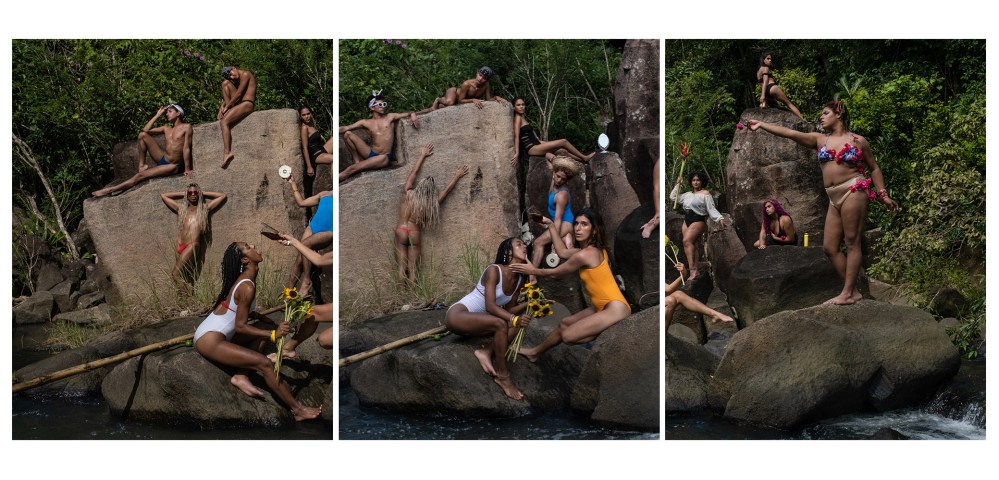
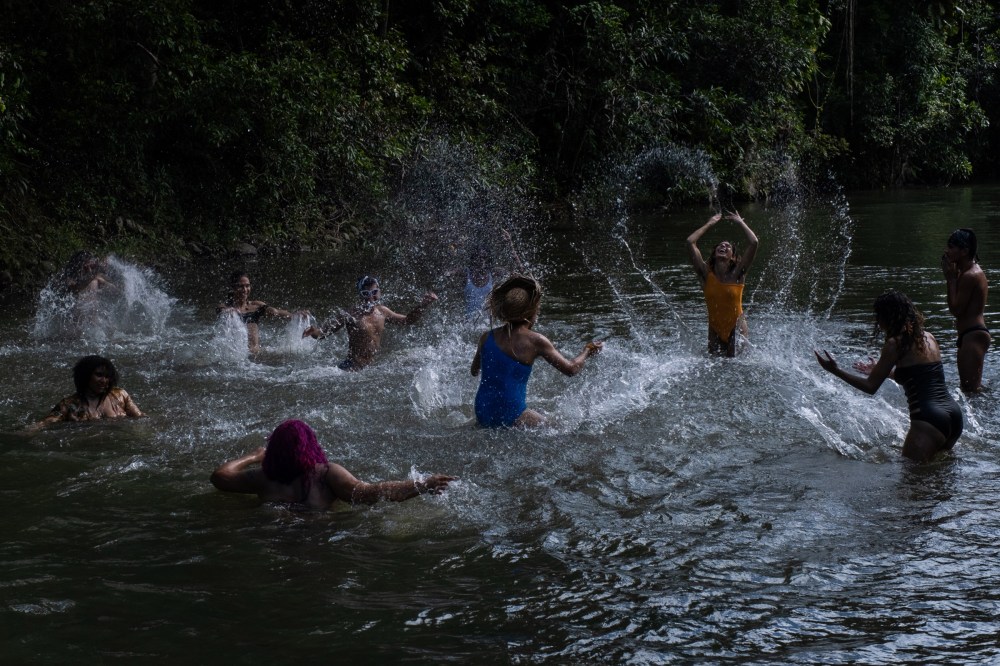
Among the rocks of their Caribbean archipelago, a group of trans artists and creatives in Puerto Rico have found their safe port. It is a harbor offering them safety and affirmation amid choppy waters. Both a natural resource and cultural construct, it has an appropriately reverential name: House of Grace.
House of Grace was founded by María José, a transdisciplinary artist and activist, in the months after Puerto Rico was ravaged by Hurricane Maria in 2017. In the midst of natural disasters and a global pandemic, when rains have flooded and the earth has been shaken, the dancers, performers and writers who make up the House have laid down collective roots, built trust and chosen one another.
[time-brightcove not-tgx=”true”]
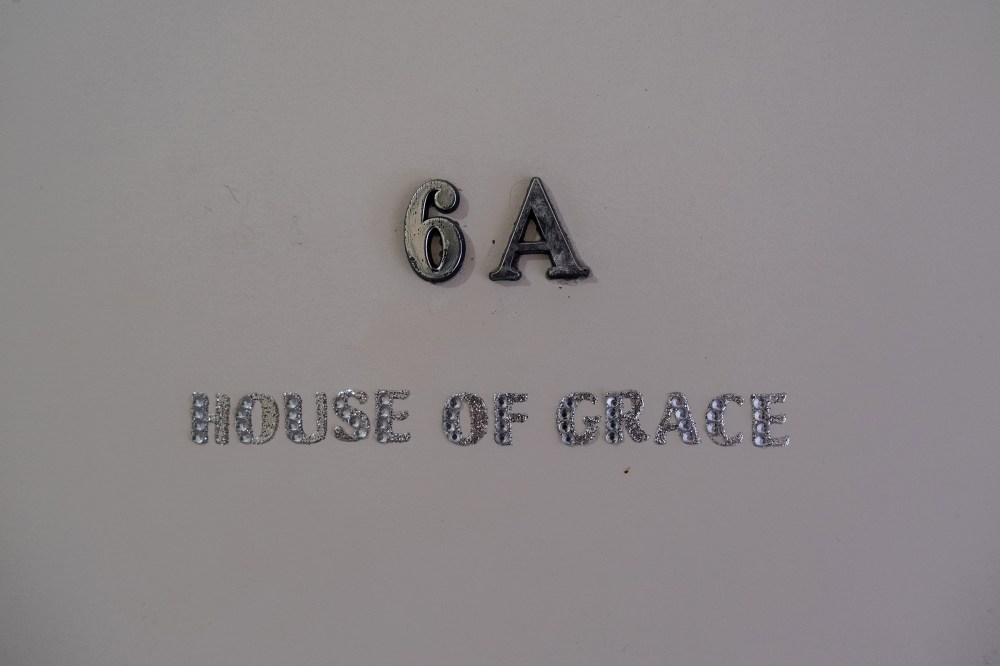
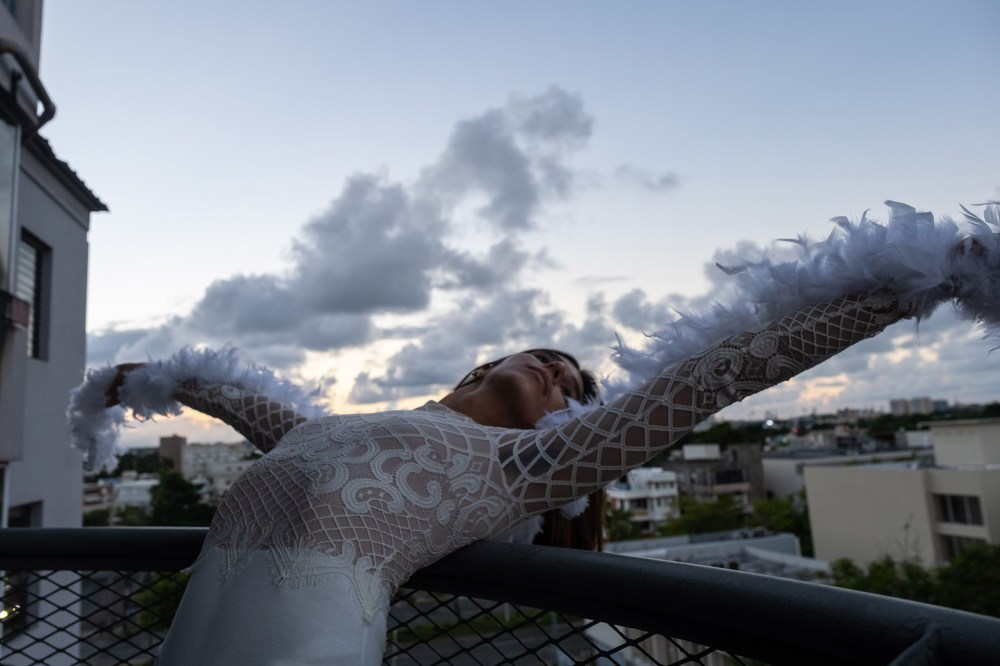

Despite its name, the House is not a physical domicile but instead a group who work to take care of themselves, and to uplift each other’s power, beauty, and artistic talents amid a worsening culture of discrimination against queer and trans people. Over time, House of Grace has evolved into a tight-knit yet welcoming community—and a family.
“To me, a family is a group of people that are willing to support each other through the unpredictable, imperfect and complex experience of being human,” María José, 28, tells TIME. “A collective that will stand up for each other against any threat.”
María José had first gathered the group to practice dancing as a language to express liberation. That was when Lú, a founding member of the House, first learned to vogue—an opportunity to embrace their gender identity. Lú now speaks of voguing with the same sparkle that they use to describe their House: “I was very discriminated against as a ballet dancer. I had always been very feminine, [and] was constantly told I had to be more masculine,” Lú explains. “In vogue I found a celebration of the nonbinary.”
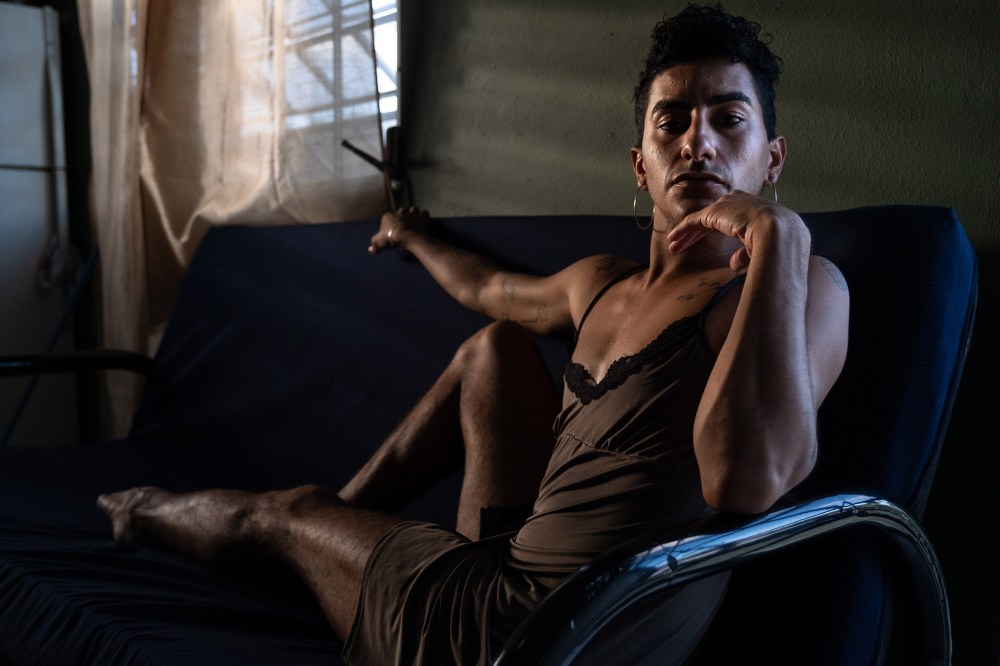
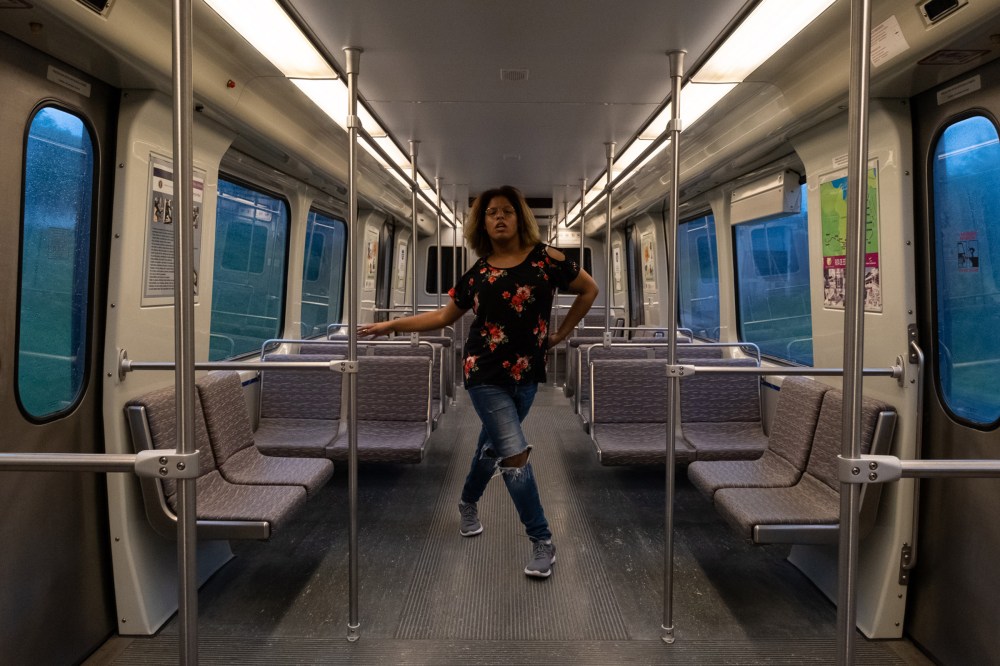
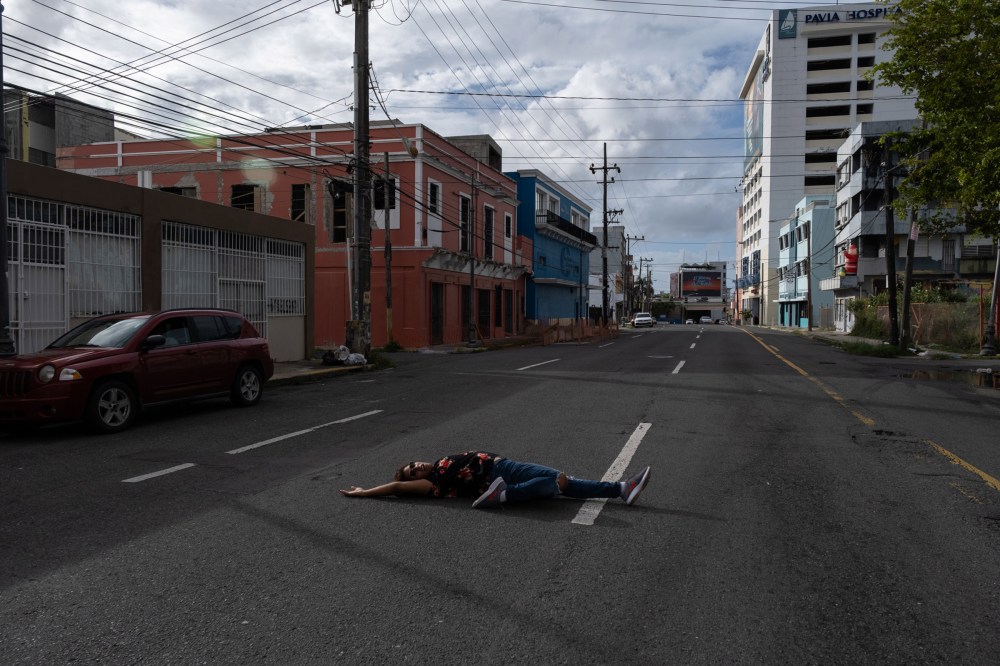
“Being queer in Puerto Rico has always been a struggle, especially if there haven’t been [other] queer people in your family,” Lú continues. “On my family’s end, I have felt support, but we do not understand each other in the same way we get each other at House of Grace. It isn’t the same relationship.”
In essence, House of Grace has become a “chosen family”—a group that can coalesce alongside, or more often in the place of, its members’ biological relatives, and works to provide authentic kinship and the support to which queer individuals are often denied. It offers space for individuals to discover their truths, and to live them; to develop nuanced relationships and find partners in love and crime, teachers and students, cheerleaders and confidants and therapists and advocates.
Members of such families can take on heteronormative, hierarchical roles—such as those of “house parents” in the drag and ballroom scenes, for example—or work as a collective in which responsibilities are shared as equitably as possible. Many of the House of Grace’s members credit María José as a mom figure; to Lú, she is one who provided them tools to heal and cope with everything from a “ lack of love” to a “[lack of] lunch.” (But the House, María José notes, aims to become a decentralized space in which all its members can parent each other.)
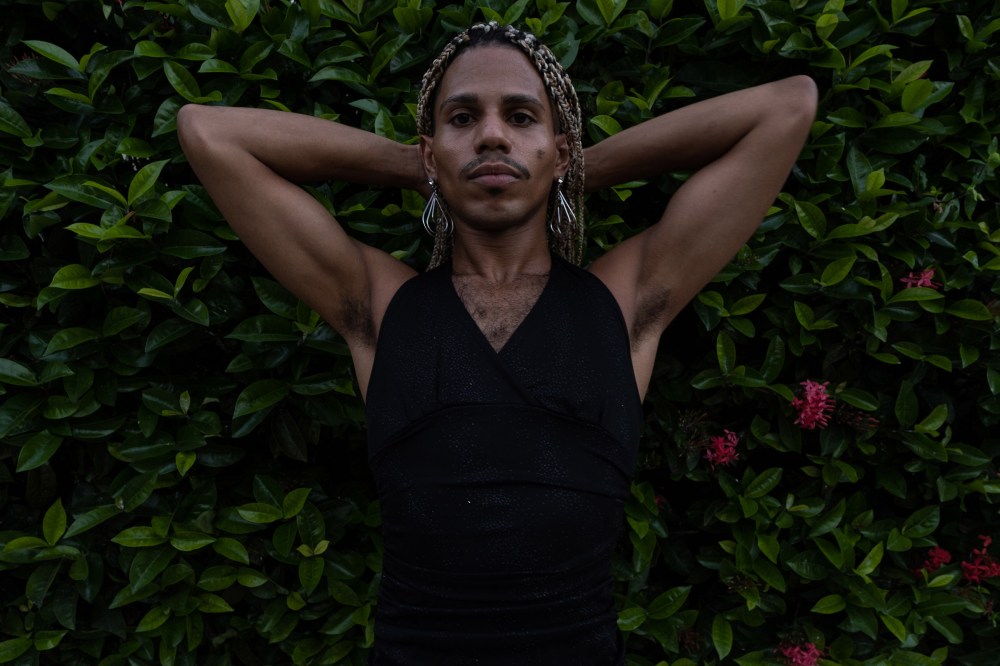
Trans people in Puerto Rico face systemic discrimination at work and public spaces, and are at a disproportionate risk of anti-gay and anti-trans violence and hate crimes. According to official records, 6 trans people on this island of only 3.1 million were killed in 2020—a devastating toll to begin with, and one that the queer community believe is drastically undercounted. It is believed that nearly 10% of last year’s officially reported femicides were transfemicides—such as the February 2020 murder of Alexa Negrón Luisiano, a killing which received much media attention but remains unsolved. This total is three times the toll of 2019. (Sexual harassment of trans people is equally widespread and ignored; Lú experienced it in a former workplace with few consequences—though, they note, fellow House of Grace members offered much emotional support.)
And the issue is compounded by the unreliability of Puerto Rico’s government when it comes to data and records-keeping. During Hurricane Maria, for example, the government asserted a death toll of 64, but was forced to recognize nearly 3,000 hurricane related fatalities months later; a Harvard University study published in May 2018 claimed hurricane-related deaths could have reached 4,645.
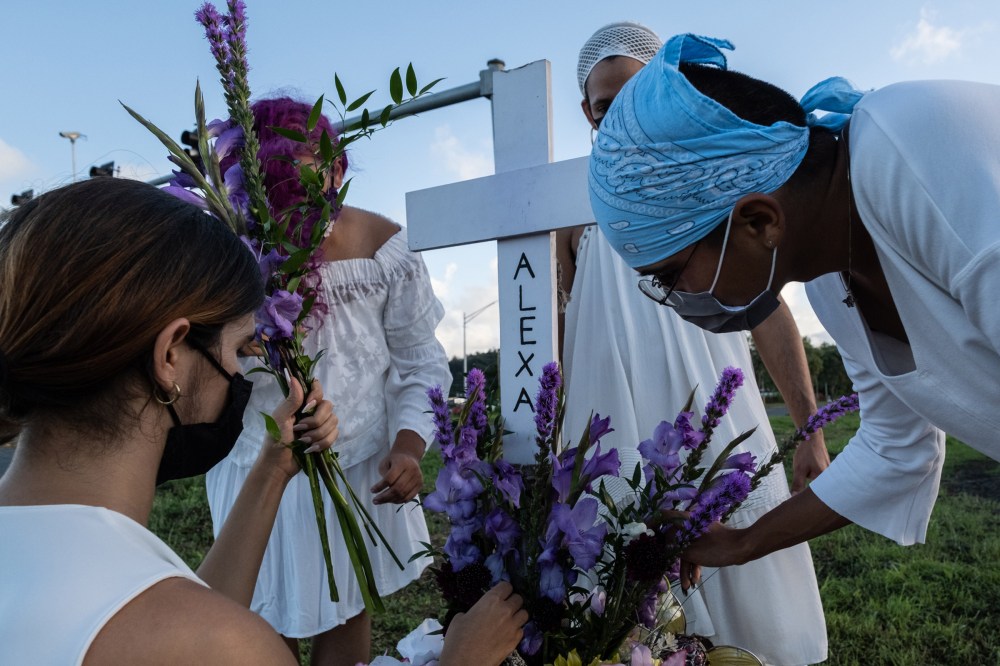
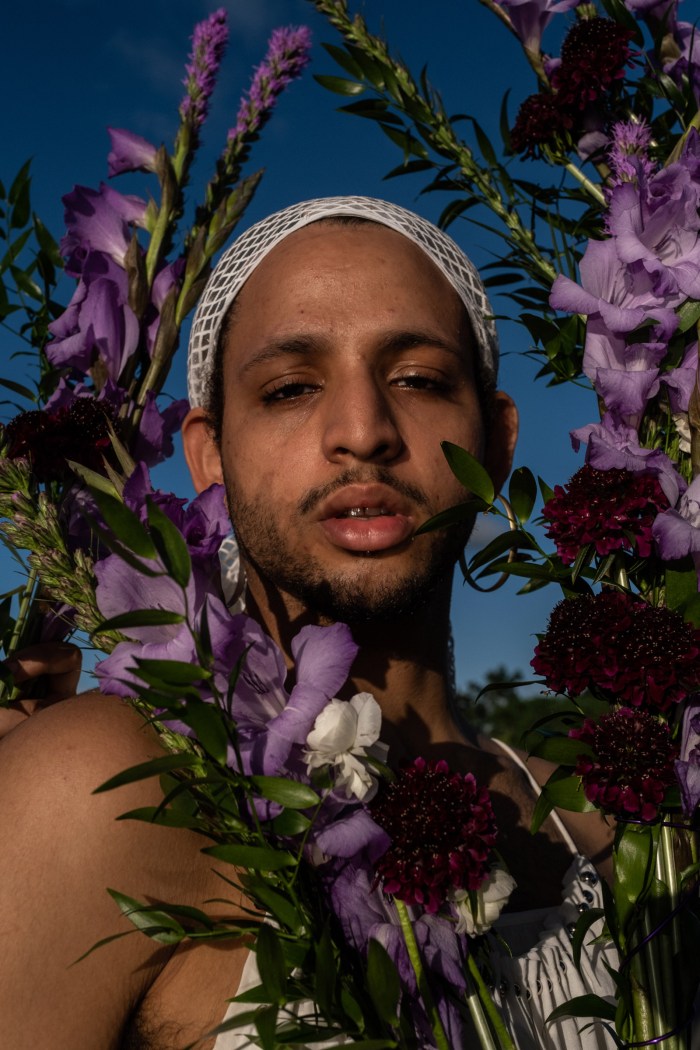
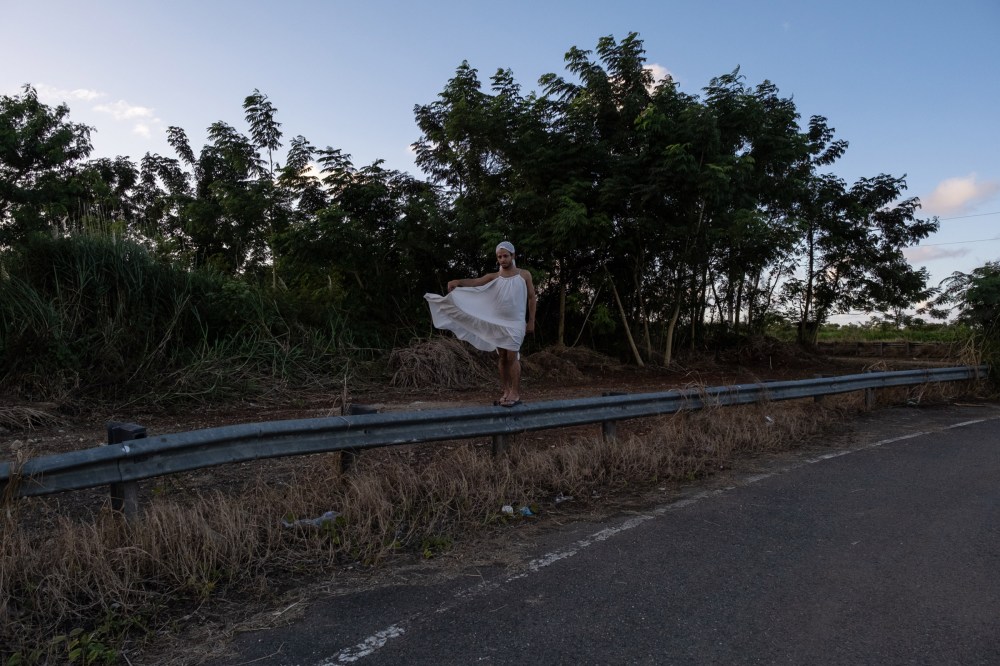
“My dream as a trans person living in Puerto Rico is that we can all live freely and joyfully, not expecting violence every time we walk down the street,” explains Yeivy, 31, a founding member of the LGBTQ collective La Sombrilla Cuir (the Queer Umbrella) and a well-known queer rights activist. “We are slowed and tripped every step of the way by the government and by the religious fundamentalists that pressure officials into delaying necessary legislation. We are tired but we will do what is necessary to be treated with the respect we deserve and no less.”
Relief organizations such as Proyecto Matria, which works to provide housing and financial support to members of the trans community in Puerto Rico, cite homelessness as an endemic issue. “During the pandemic I was homeless for 8 months,” Beibijavi, a 22-year-old dancer who migrated from Ciudad de Panamá as a young child, tells TIME. “I had to leave my biological family’s house… It wasn’t a safe space for me.” During this process, Beibijavi, who identifies as a trans non-binary person, lived intermittently with fellow members of the House.
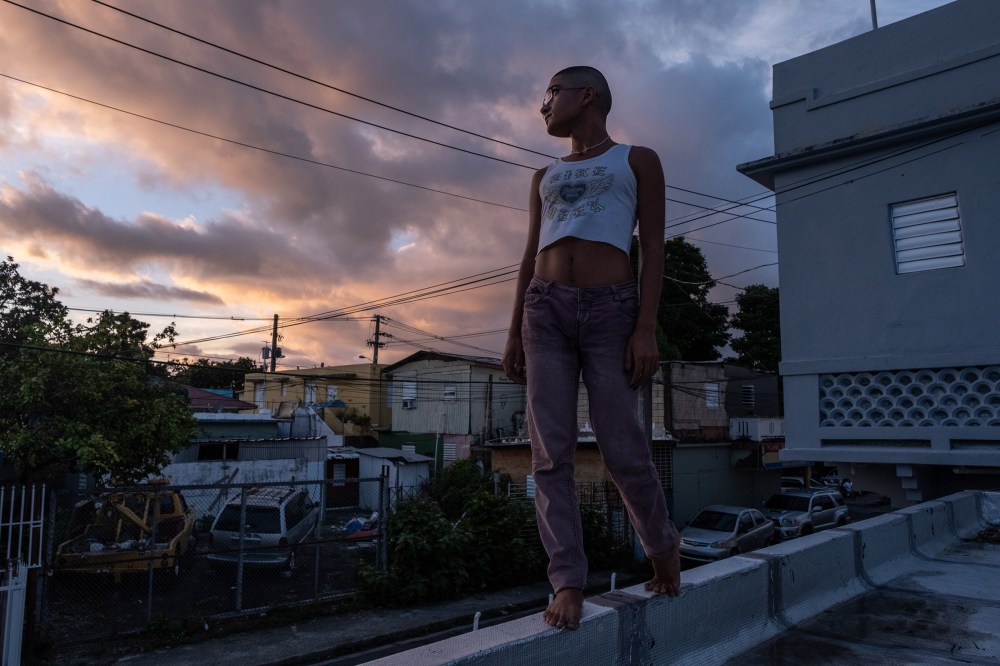
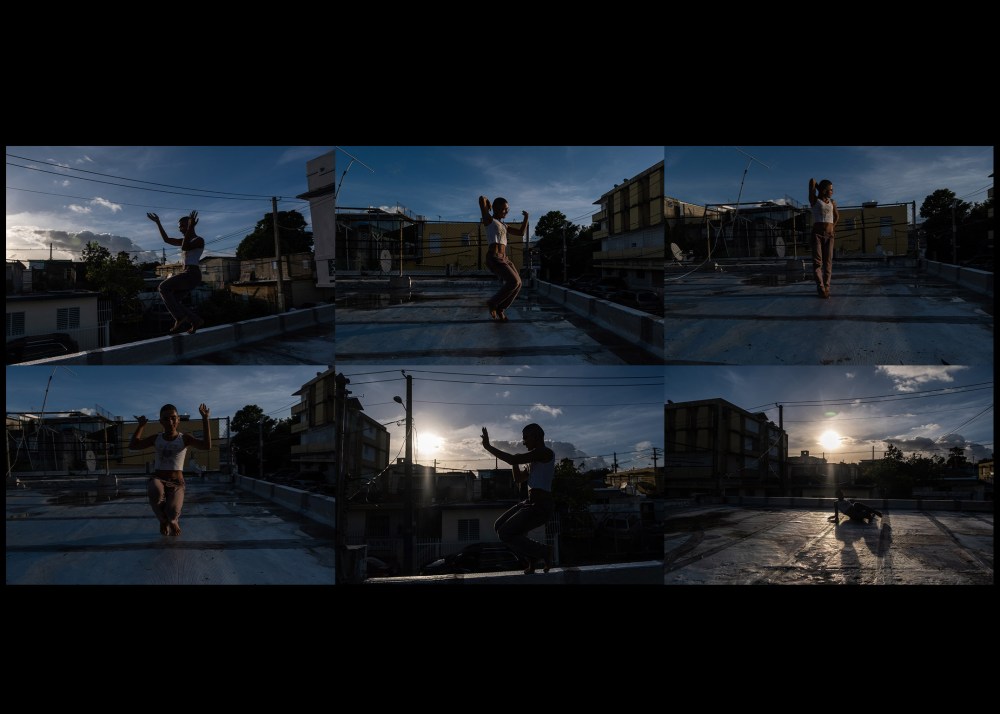
Had they the collective funds to live together permanently, many of House of Grace’s members say they would do so. “Our goal is to have a house, and a dancing studio,” says Beibijavi. “We need funding.” But amid Puerto Rico’s ongoing economic crisis, the House’s daily bread is the lack thereof.
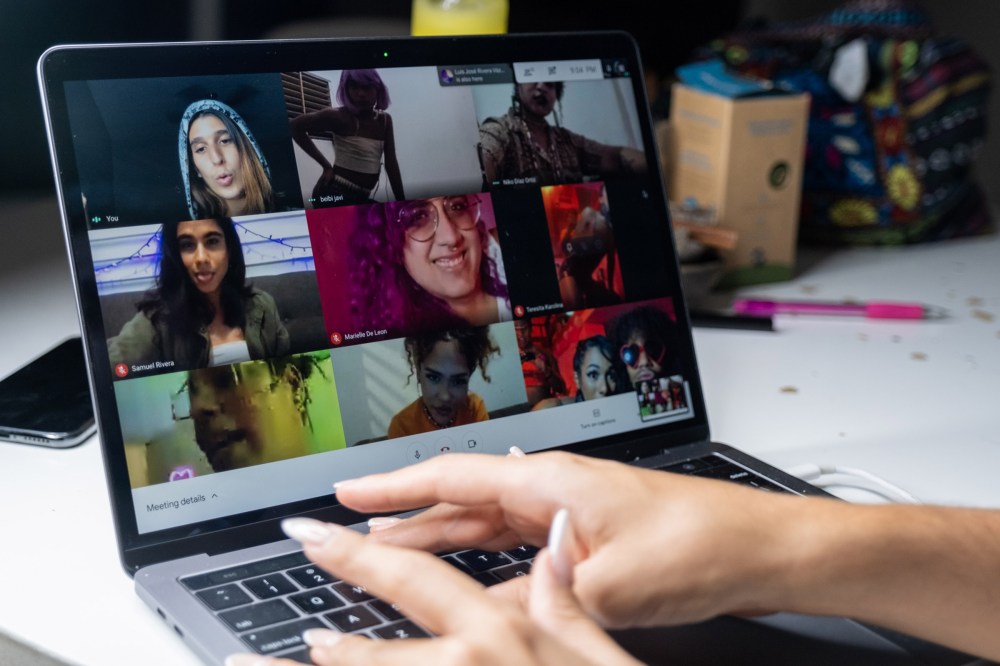
Still, the House has a special “support” group chat where they share needs they might have, so that their family can help meet them. “People are constantly checking up on me,” Lú says; when Beibijavi was living without access to clean water for a period of time, the House provided them the money to buy a filter. (The House also extends resources to members of Puerto Rico’s trans community more broadly, even if recipients are not officially affiliated.)
And to mark holidays or other special occasions, they celebrate together. Last November, in the midst of the coronavirus pandemic, they held a “Transgiving” at Lover bar, a queer bar in San Juan that serves as “a safe space for everyone,” as a poster on one of its bright pink walls promises.
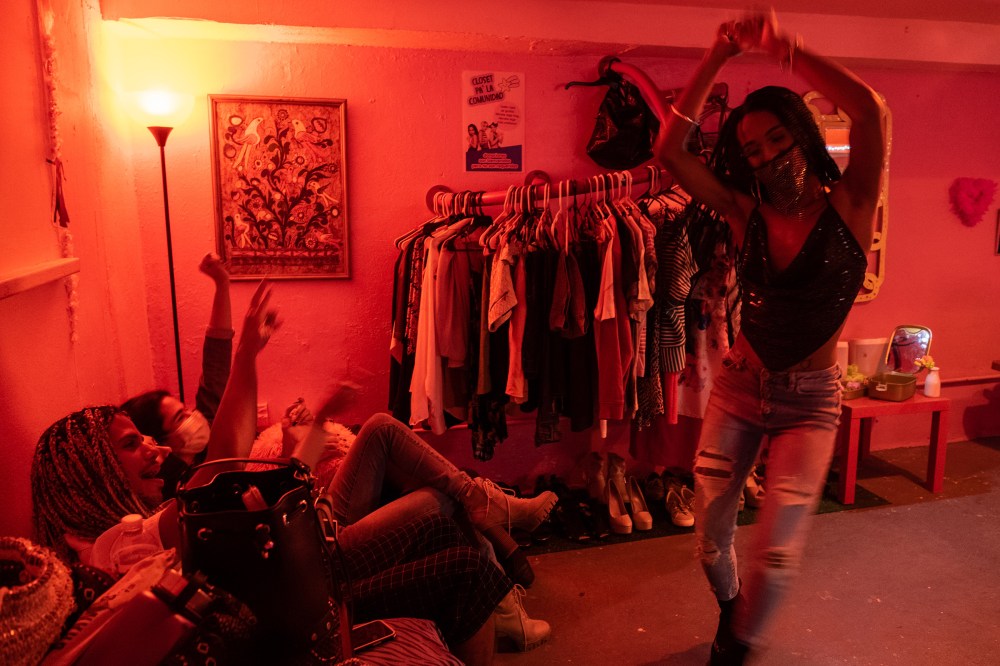
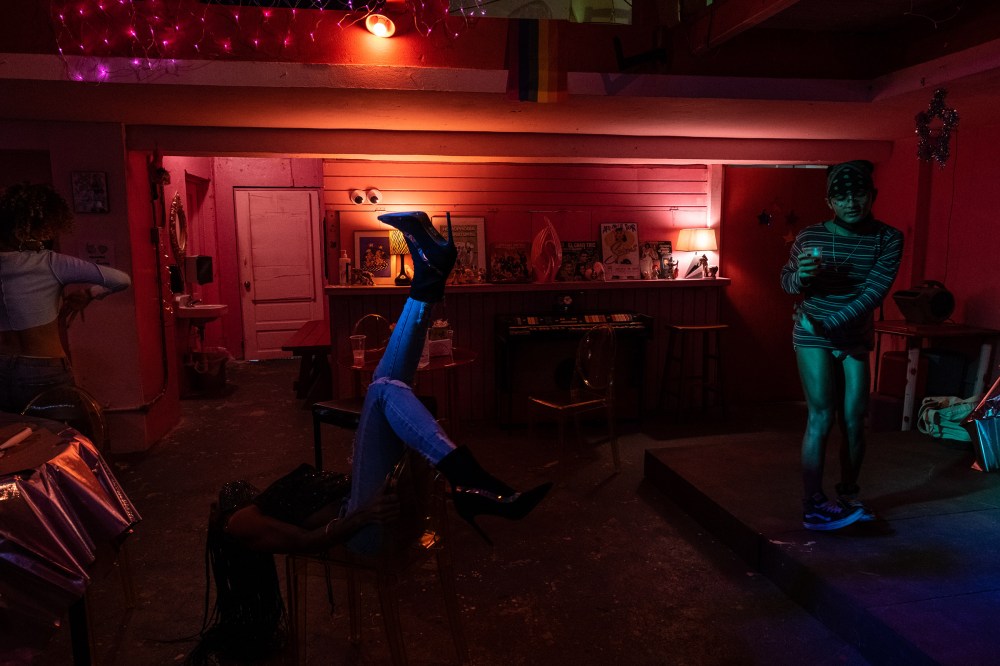
With queer locals as the bar’s main customers—and not tourists—an innate sense of community is apparent. Wearing their masks (and safe in the knowledge they were being seen regardless), the House came together to share food, and to celebrate that they have each other in their lives and in their care.
“For me, [the act of] taking care is saying: I am not abandoning you,” María José says. “Do you know how many trans people are abandoned by their parents? I made a decision: I am not abandoning these people … I am not perfect. But I keep going forward day by day, trying the best I can to fulfill my responsibilities in a way that directs us all towards justice.”
Gabriella N. Báez is a photographer based in Puerto Rico, as is writer and artist Alejandra Rosa. Their work is supported and produced by the Magnum Foundation, with a grant from the Henry Luce Foundation.
